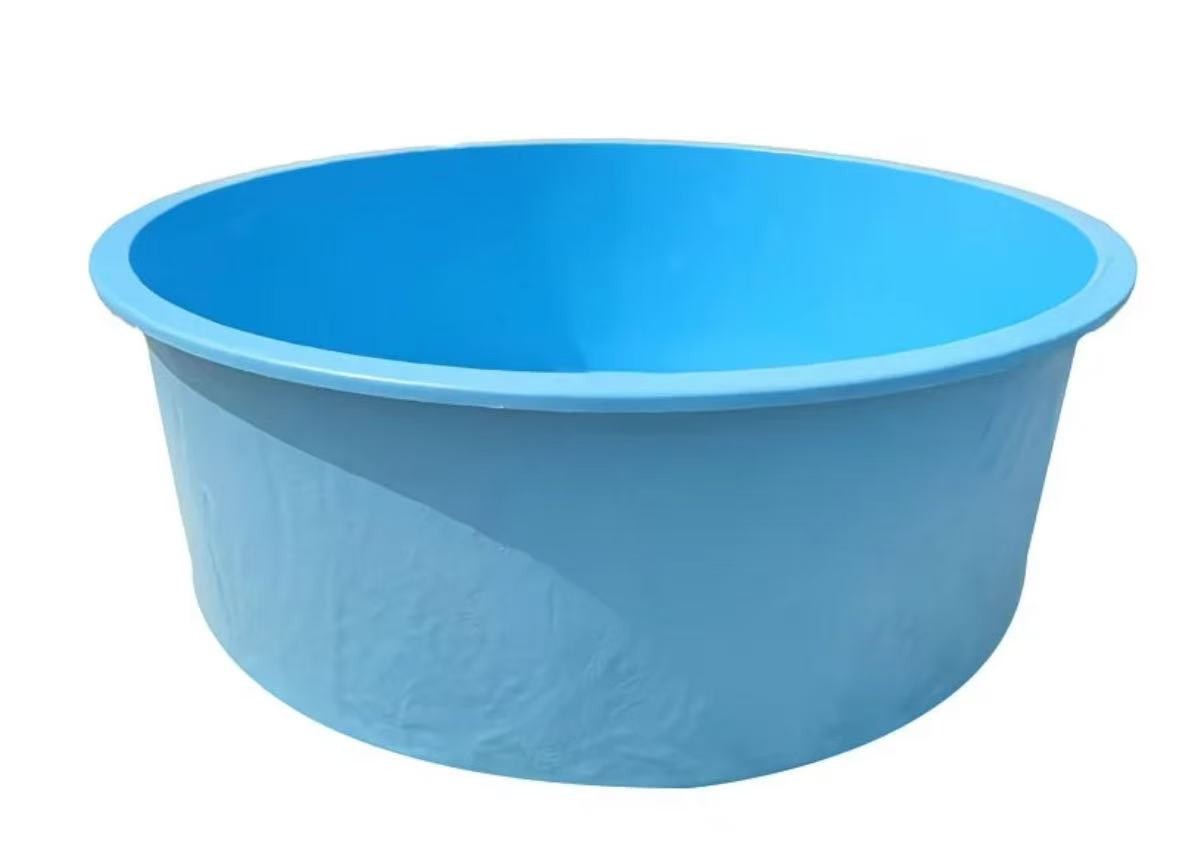
The Core Advantages of GRP Tank, FRP Tank, and Fiberglass Tank
GRP (Glass Reinforced Plastic), FRP (Fiberglass Reinforced Plastic), and fiberglass tanks are interchangeable terms for high-performance composite storage systems, engineered by combining strong glass fibers with a durable polymer resin matrix. These tanks have revolutionized the global industrial storage industry, offering a suite of benefits that make them far superior to traditional storage solutions like steel, concrete, and PVC tanks in demanding applications. Below is a comprehensive breakdown of their key advantages:
1. Unrivaled Corrosion Resistance
The most standout advantage of GRP tank, FRP tank, and fiberglass tank is their inherent, long-lasting corrosion resistance. Unlike steel tanks that rust and degrade rapidly in corrosive environments, or concrete tanks that suffer from chemical erosion and cracking, GRP/FRP/fiberglass tanks are chemically inert. They can withstand exposure to a full spectrum of corrosive substances, including acids, alkalis, salts, brine, industrial chemicals, and even harsh wastewater, making them the top choice for chemical processing plants, wastewater treatment facilities, desalination plants, offshore oil & gas operations, and chemical storage depots. This corrosion resistance eliminates the need for costly internal/external coatings, cathodic protection, or regular corrosion maintenance, drastically reducing operational costs and extending the tank’s service life.
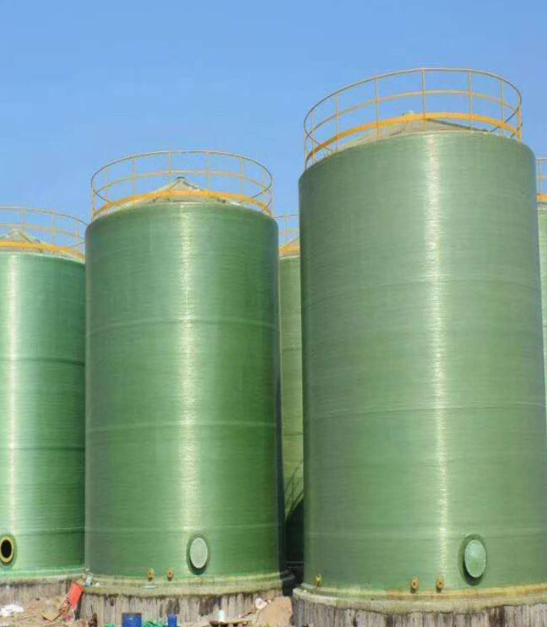
2. Exceptional Strength-to-Weight Ratio
GRP tank, FRP tank, and fiberglass tank deliver an industry-leading strength-to-weight ratio. These composite tanks are typically 70-85% lighter than steel tanks of the same capacity and pressure rating, while maintaining equal or higher structural strength and impact resistance. This lightweight property brings multiple critical benefits:
Reduced installation costs: Easier handling, transportation, and on-site assembly—no heavy lifting equipment is required for small to medium-sized tanks, cutting labor time and equipment rental costs significantly.
Lower structural load: Minimizes stress on foundations, flooring, and supporting structures, reducing the need for expensive structural reinforcement and lowering overall project construction costs, especially for above-ground and rooftop installations.
High load-bearing capacity: Despite their light weight, GRP/FRP/fiberglass tanks can be custom-engineered to withstand extreme internal pressures, external impacts, and environmental loads (such as wind and snow), meeting the strictest industrial storage standards.
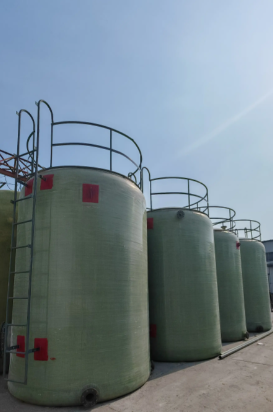
3. 50+ Year Service Life & Long-Term Durability
GRP tank, FRP tank, and fiberglass tank have a proven, field-tested service life of 50+ years, far exceeding the 15-25 year lifespan of traditional steel tanks and concrete tanks. Their resistance to corrosion, abrasion, UV radiation (with specialized resin formulations), and biological growth (algae, bacteria, and mold) ensures consistent performance with minimal degradation over decades. GRP/FRP/fiberglass tanks also resist scale, sediment buildup, and chemical aging, maintaining their structural integrity and storage capacity throughout their service life, eliminating the need for frequent replacements and reducing long-term capital expenditure.


 <
<






 Previous:
 Next:
Next: