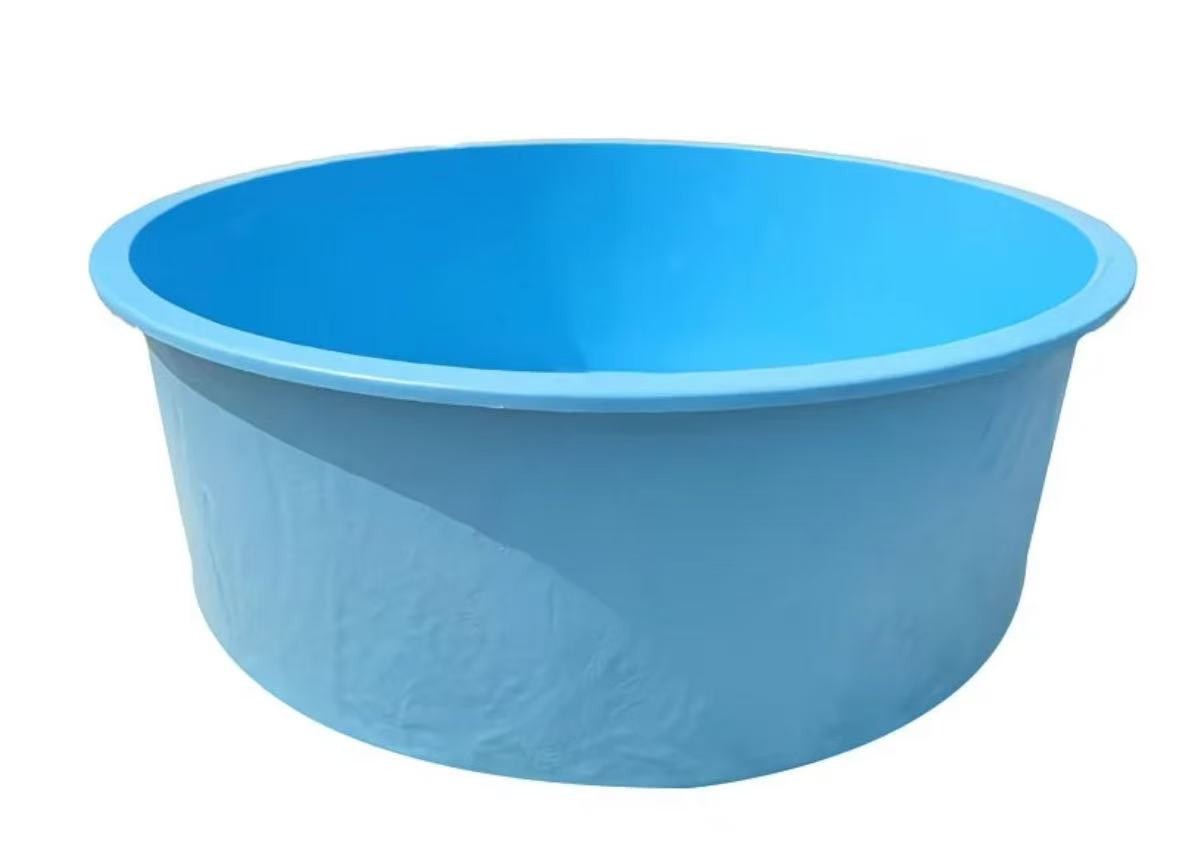
In recent years, the global aquaculture industry has developed rapidly, and the requirements for breeding equipment have become higher and higher. Traditional breeding containers such as cement ponds, plastic tanks and canvas ponds can no longer fully meet the needs of large-scale, standardized and environmentally friendly breeding. As a new type of high-performance composite material product, FRP, GRP and fiberglass fish ponds have gradually become the preferred choice for modern aquaculture farms and individual breeders.
FRP, GRP and fiberglass fish ponds are made of high-quality fiberglass and food-grade or environmentally friendly resin materials, with good structural strength and toughness. They are not easy to crack or deform under long-term use, and have strong resistance to impact and extrusion. Compared with cement ponds, they are much lighter and easier to transport, place and move, greatly reducing construction difficulty and labor costs. Unlike ordinary plastic ponds, they are resistant to aging, sun exposure and low temperature, and will not become brittle or soft due to changes in weather and temperature.
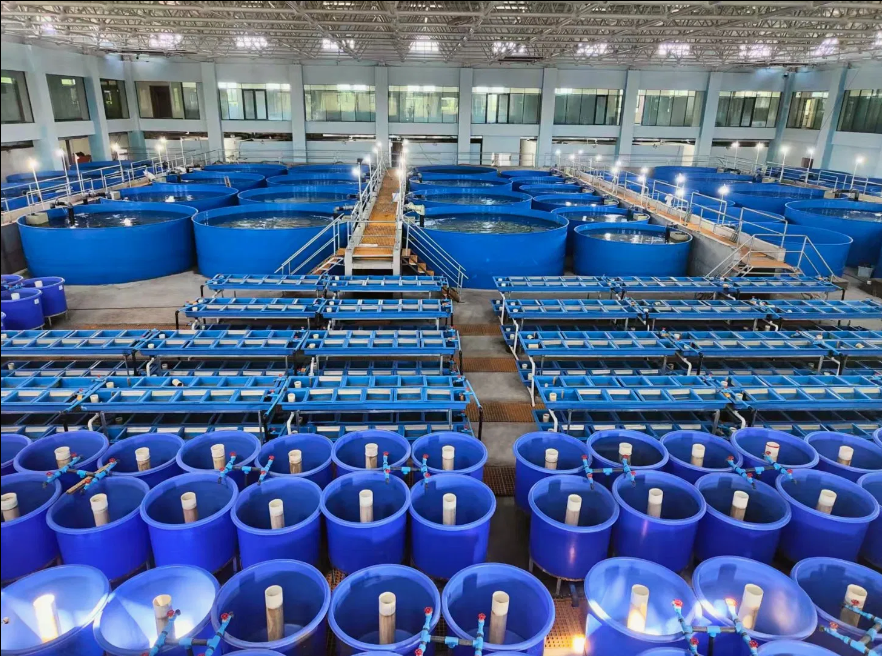
One of the most important advantages of fiberglass fish ponds is excellent corrosion resistance. They can stably withstand water corrosion, microbial erosion and chemical substances used in aquaculture management, and will not rust, rot or pollute the water body. The inner wall is smooth, non-porous and non-toxic, which does not stimulate fish and shrimp, reduces the risk of fish injury and disease, and helps improve survival rate. The smooth surface also prevents dirt, algae and impurities from adhering, making daily cleaning and water exchange very convenient, effectively maintaining good water quality.
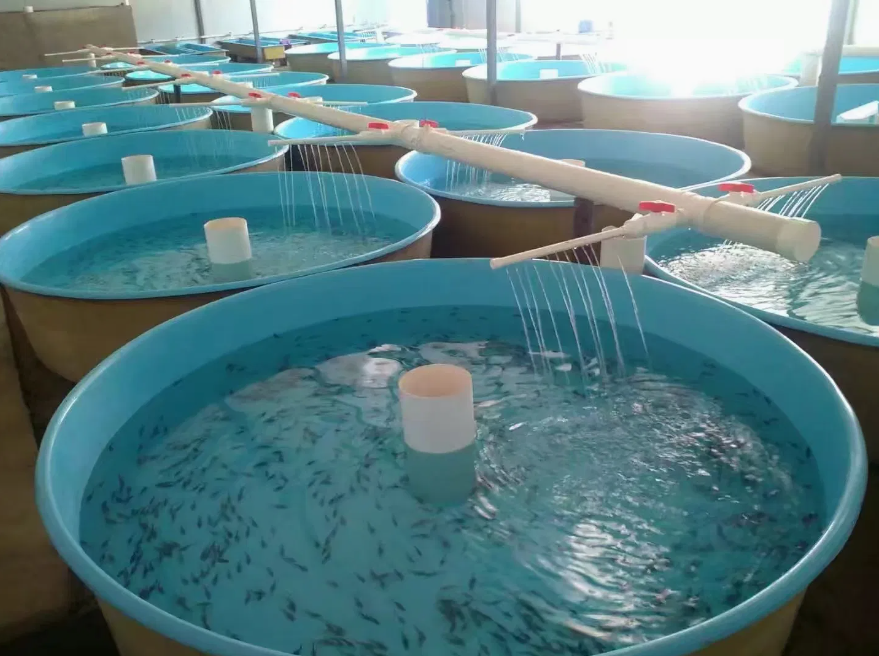
In addition, FRP, GRP and fiberglass fish ponds have strong design flexibility. They can be customized in different sizes, shapes, depths and volumes according to breeding space, breeding species and water volume requirements. They can be widely used in fish breeding, shrimp breeding, turtle breeding, ornamental fish breeding, seedling cultivation and other scenarios. They can be used indoors, outdoors, factory farms and garden breeding, with strong adaptability.
Compared with traditional breeding equipment, fiberglass fish ponds have a longer service life, generally up to 15 to 20 years, greatly reducing the frequency of replacement and investment costs. They are also environmentally friendly, do not release harmful substances, and can be recycled, complying with the green development trend of the aquaculture industry.


 <
<






 Previous:
 Next:
Next: