<
<


The Core Advantages of GRP Pipe, FRP Pipe, and Fiberglass Pipe
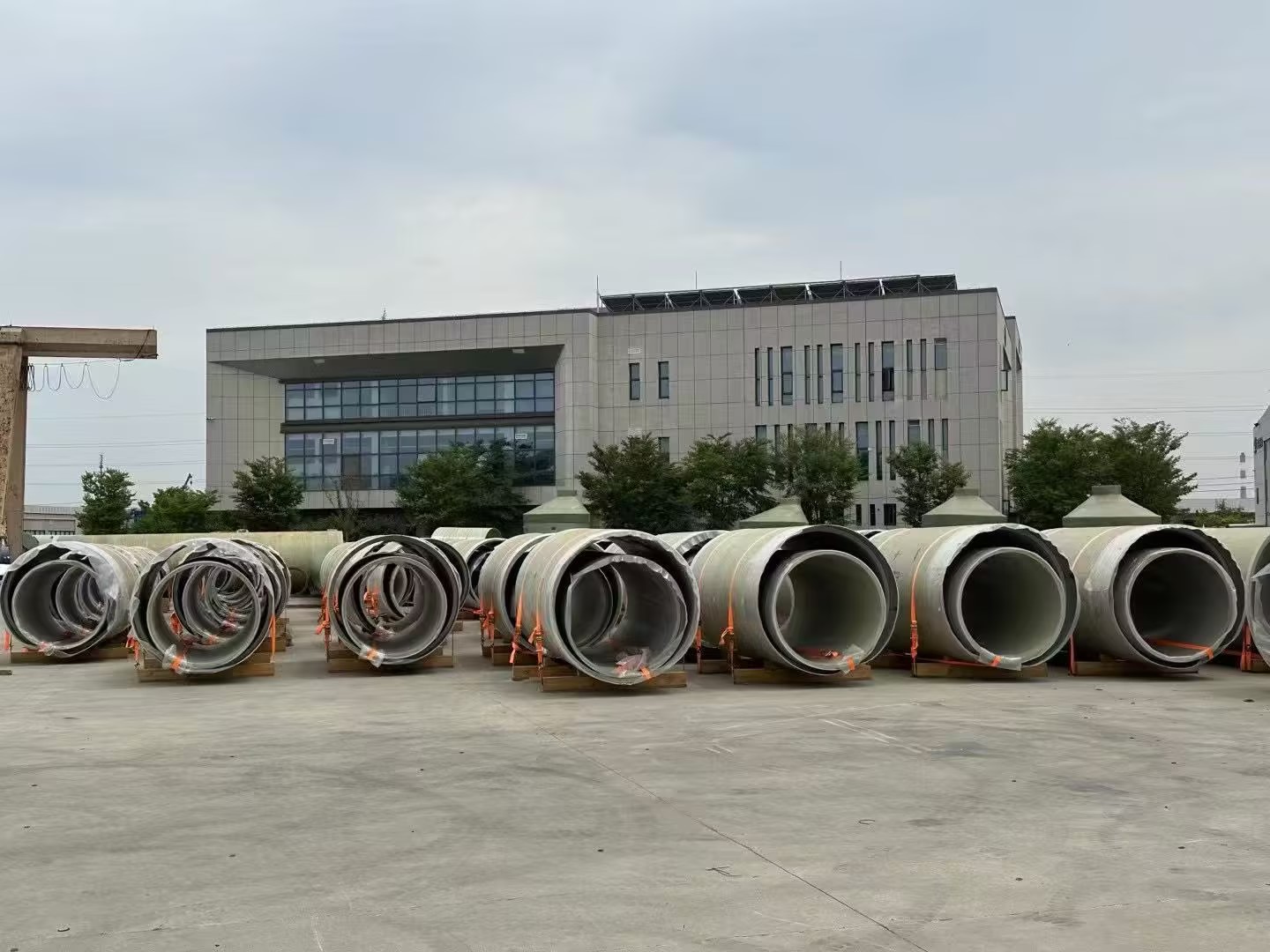
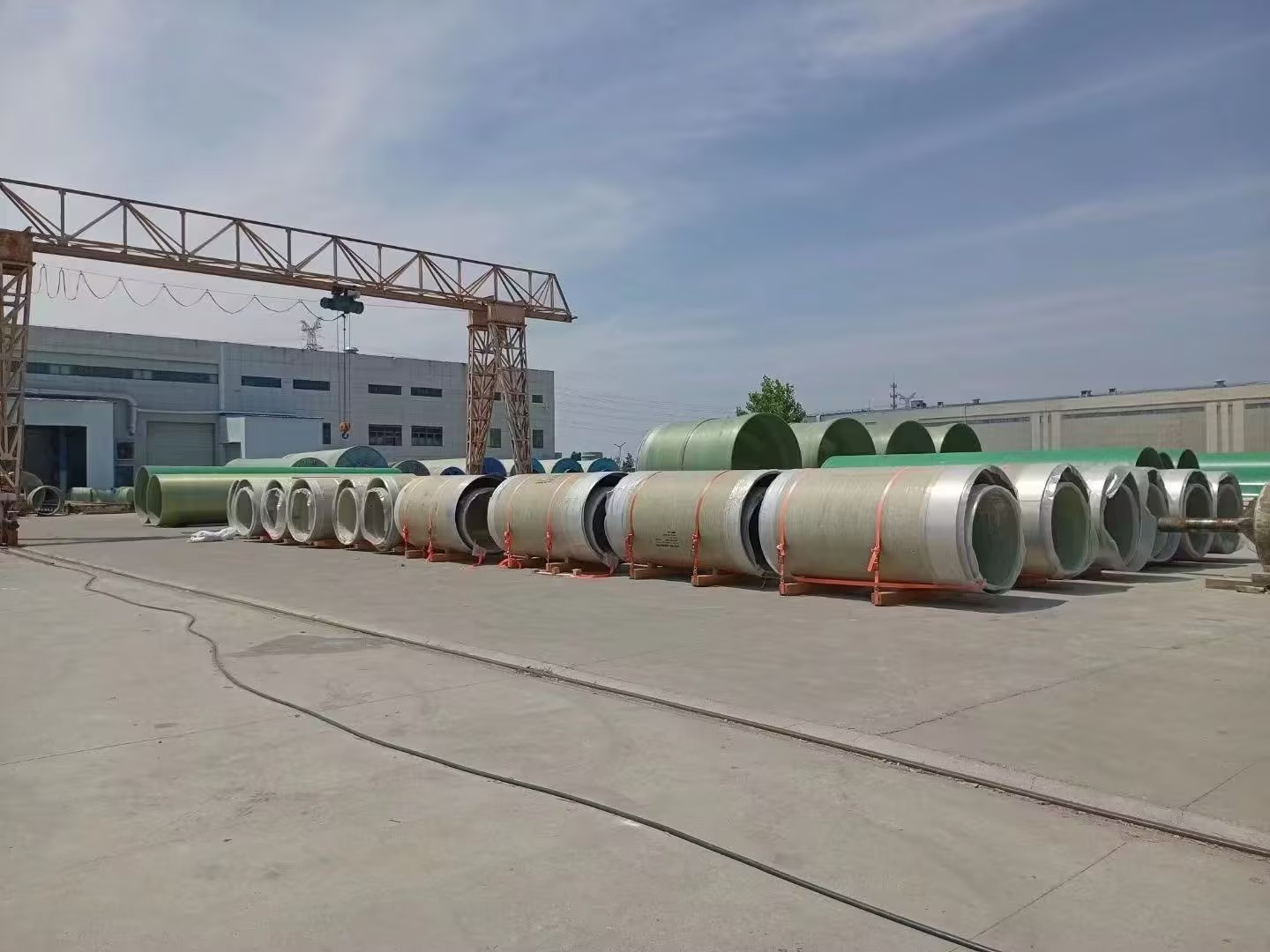
GRP (Glass Reinforced Plastic), FRP (Fiberglass Reinforced Plastic), and fiberglass pipes are interchangeable terms for high-performance composite piping systems, engineered by combining strong glass fibers with a durable polymer resin matrix. These pipes have revolutionized the global piping industry, offering a suite of benefits that make them far superior to traditional materials like steel, concrete, and PVC in demanding applications. Below is a comprehensive breakdown of their key advantages:
1. Unrivaled Corrosion Resistance
The most standout advantage of GRP pipe, FRP pipe, and fiberglass pipe is their inherent, long-lasting corrosion resistance. Unlike steel pipes that rust and degrade rapidly in corrosive environments, or concrete pipes that suffer from chemical erosion, GRP/FRP/fiberglass pipes are chemically inert. They can withstand exposure to a full spectrum of corrosive substances, including acids, alkalis, salts, brine, and industrial chemicals, making them the top choice for chemical processing plants, wastewater treatment facilities, desalination plants, and offshore oil & gas operations. This corrosion resistance eliminates the need for costly internal/external coatings, cathodic protection, or regular corrosion maintenance, drastically reducing operational costs.
2. Exceptional Strength-to-Weight Ratio
GRP pipe, FRP pipe, and fiberglass pipe deliver an industry-leading strength-to-weight ratio. These composite pipes are typically 70-80% lighter than steel pipes of the same diameter and pressure rating, while maintaining equal or higher structural strength. This lightweight property brings multiple critical benefits:
Reduced installation costs: Easier handling, transportation, and on-site assembly, cutting labor time and heavy equipment requirements.
Lower structural load: Minimizes stress on supporting structures, foundations, and pipe hangers, reducing overall project construction costs.
High load-bearing capacity: Despite their light weight, GRP/FRP/fiberglass pipes can be custom-engineered to withstand extreme internal pressures and external loads, meeting the strictest industrial standards.
3. 50+ Year Service Life & Long-Term Durability
GRP pipe, FRP pipe, and fiberglass pipe have a proven, field-tested service life of 50+ years, far exceeding the 15-25 year lifespan of traditional metal pipes and concrete pipes. Their resistance to corrosion, abrasion, UV radiation (with specialized resin formulations), and biological growth (algae, bacteria) ensures consistent performance with minimal degradation over decades. GRP/FRP/fiberglass pipes also resist scale and sediment buildup, maintaining flow efficiency and preventing clogging throughout their service life, eliminating the need for frequent replacements.
4. Minimal Maintenance Requirements
Thanks to their corrosion resistance and durable composite construction, GRP pipe, FRP pipe, and fiberglass pipe require almost no routine maintenance. Unlike steel pipes that need regular inspections, cleaning, and coating repairs, or concrete pipes that require structural repairs, GRP/FRP/fiberglass pipes do not rust, corrode, or degrade under normal operating conditions. This reduces operational downtime, maintenance labor, and long-term costs significantly, making them a high-return investment for any project.
5. Superior Hydraulic Efficiency
GRP pipe, FRP pipe, and fiberglass pipe feature a smooth, non-porous internal bore that minimizes friction loss and pressure drop. The ultra-smooth surface ensures consistent, efficient fluid flow, reducing energy consumption for pumping in long-distance pipeline systems. Additionally, the non-stick, inert surface prevents the buildup of scale, sediment, and debris, maintaining optimal hydraulic efficiency for the entire lifespan of the pipe, unlike traditional pipes that lose flow efficiency over time due to corrosion and scaling.
6. Full Design Flexibility & Customization
GRP pipe, FRP pipe, and fiberglass pipe can be fully custom-engineered to meet the exact requirements of any project. Manufacturers can tailor the resin type, fiber orientation, wall thickness, and joint system to suit specific applications, whether it's high-pressure oil & gas pipelines, low-pressure municipal water distribution, or corrosive chemical transport. GRP/FRP/fiberglass pipes are available in a wide range of diameters, lengths, and pressure ratings, with multiple joint options (butt-and-strap, bell-and-spigot, flanged) for easy, leak-free installation.
7. Excellent Thermal & Electrical Insulation
GRP pipe, FRP pipe, and fiberglass pipe are exceptional thermal and electrical insulators, making them ideal for specialized applications:
Thermal insulation: Reduces heat loss or gain in fluid transport systems, eliminating the need for additional insulation in most cases, cutting project costs.
Electrical insulation: Prevents galvanic corrosion and stray current interference, making GRP/FRP/fiberglass pipes perfect for underground installations, electrical substations, and areas with high electrical activity.
8. Competitive Lifecycle Cost-Effectiveness
While the upfront cost of GRP pipe, FRP pipe, and fiberglass pipe may be slightly higher than some traditional materials, their total lifecycle cost is far lower. The combination of 50+ year service life, minimal maintenance, reduced installation costs, and energy savings from improved hydraulic efficiency makes GRP/FRP/fiberglass pipes the most cost-effective long-term solution for industrial, municipal, and commercial piping projects.
9. Environmentally Sustainable Solution
GRP pipe, FRP pipe, and fiberglass pipe are environmentally friendly choices. They are 100% recyclable, do not leach harmful chemicals into water or soil, and their long lifespan reduces the need for frequent replacements, minimizing waste and resource consumption. Additionally, their lightweight design reduces carbon emissions during transportation and installation, supporting sustainable project goals.
Conclusion
GRP pipe, FRP pipe, and fiberglass pipe offer an unbeatable combination of corrosion resistance, high strength, durability, and cost-effectiveness, making them the ideal piping solution for a wide range of industrial, municipal, and commercial applications. Whether you are working on a chemical processing plant, wastewater treatment facility, desalination project, or oil & gas pipeline, GRP/FRP/fiberglass pipes deliver superior performance and long-term value compared to traditional piping materials.
If you are looking for high-quality GRP pipe, FRP pipe, or fiberglass pipe solutions for your next project, contact our expert team today to discuss your custom requirements.
Copyright © Landyoung Group Co., Ltd. All Rights Reserved




 Previous:
 Next:
Next: