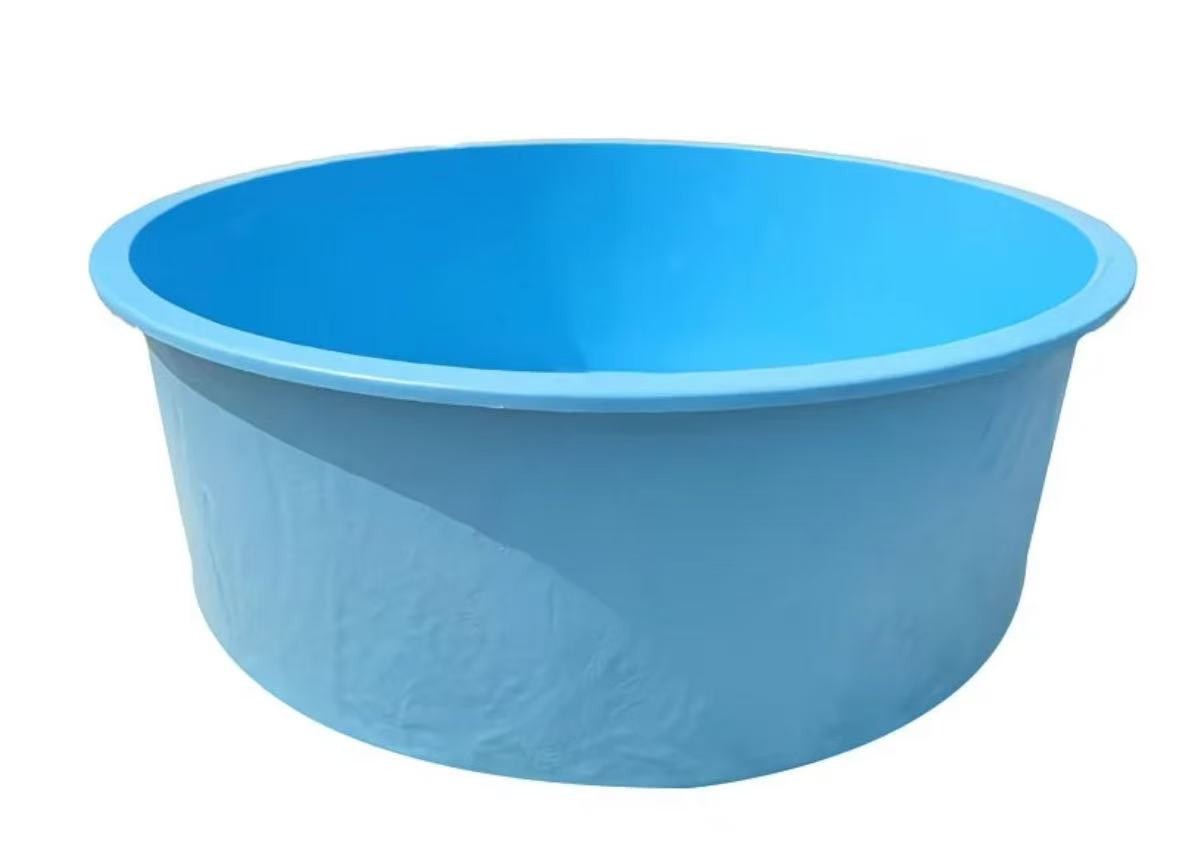
GRP/FRP Pipes Spearhead New Infrastructure Projects in Southeast Asia
In recent years, Southeast Asian countries have accelerated the advancement of urbanization and industrialization, with a sharp increase in investment in municipal infrastructure and environmental protection projects. Among the key materials supporting these developments, GRP pipe, FRP pipe, and fiberglass pipe have rapidly become the preferred choice for pipeline engineering, demonstrating broad application prospects and strong market potential.
Urban water supply and drainage systems form the backbone of urban operation, and their construction quality directly affects residents' daily lives and urban ecological security. Traditional metal pipelines, while widely used, face severe challenges such as corrosion and scaling in humid and corrosive environments common in Southeast Asia. In contrast,
fiberglass pipe products, with their excellent corrosion resistance and lightweight properties, have been widely adopted in major urban water supply network reconstruction and expansion projects. They effectively solve the problems of short service life and high maintenance costs of traditional pipelines, providing reliable support for the stable operation of urban water systems.
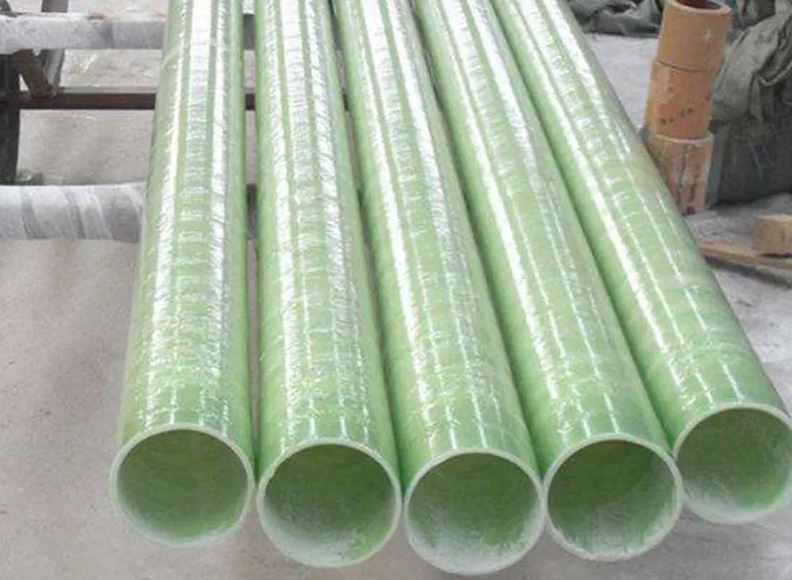
GRP pipe has made remarkable achievements. In countries with scarce water resources, seawater desalination projects have been put into intensive construction, and the transmission of corrosive seawater requires high-performance pipeline materials.
FRP pipe not only resists the corrosion of seawater and salt but also has low hydraulic loss, which improves the operation efficiency of desalination equipment. At the same time, in large-scale sewage treatment plants, the application of
fiberglass pipe ensures the safe transmission of sewage and avoids secondary pollution caused by pipeline corrosion.
In addition to municipal engineering,
GRP/FRP/fiberglass pipes have also made important inroads into industrial fields such as petrochemicals and power generation. In petrochemical industrial parks, various corrosive media need to be transported, and composite pipes can adapt to a variety of complex working conditions, meeting the strict safety and environmental protection standards of industrial projects. Their lightweight design also reduces the load on industrial plant foundations, lowering construction costs for related projects.
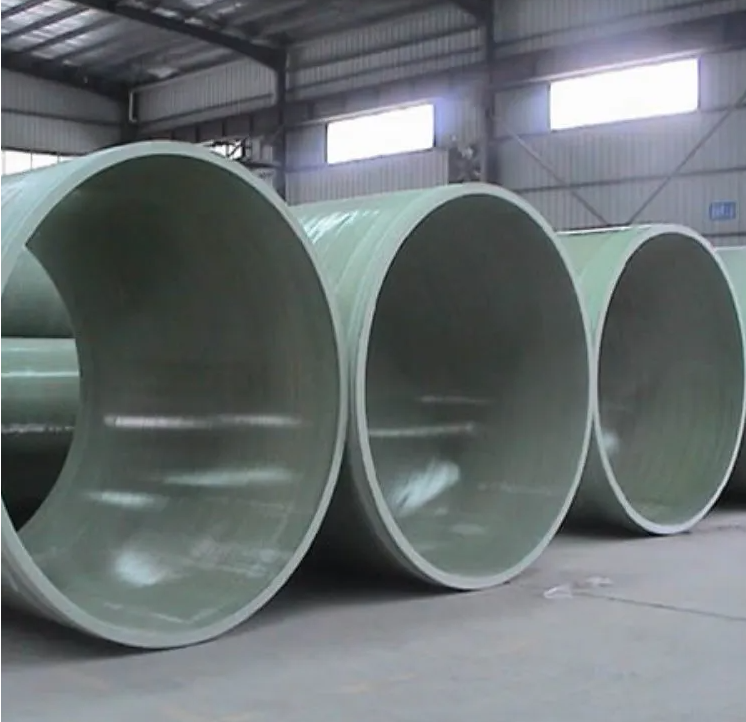
Industry insiders point out that with the continuous advancement of the "Belt and Road" initiative and regional economic integration, the infrastructure construction market in Southeast Asia will continue to maintain rapid growth. GRP pipe, FRP pipe, and fiberglass pipe will, as key composite materials, further play their technical advantages in more projects. Professional manufacturers are also accelerating the localization of production and technical services in the region to better meet the diverse needs of different countries for pipeline products, promoting the high-quality development of urban infrastructure and industrial projects in Southeast Asia.
With the deepening of green and low-carbon development concepts, the application of fiberglass pipe in infrastructure projects will become more extensive. It will not only help to improve the operational efficiency of urban systems but also contribute to the sustainable development of the region, laying a solid foundation for the long-term prosperity of cities and industries in Southeast Asia.


 <
<






 Previous:
 Next:
Next: