1. Corrosion Resistance Principle of FRP Tanks
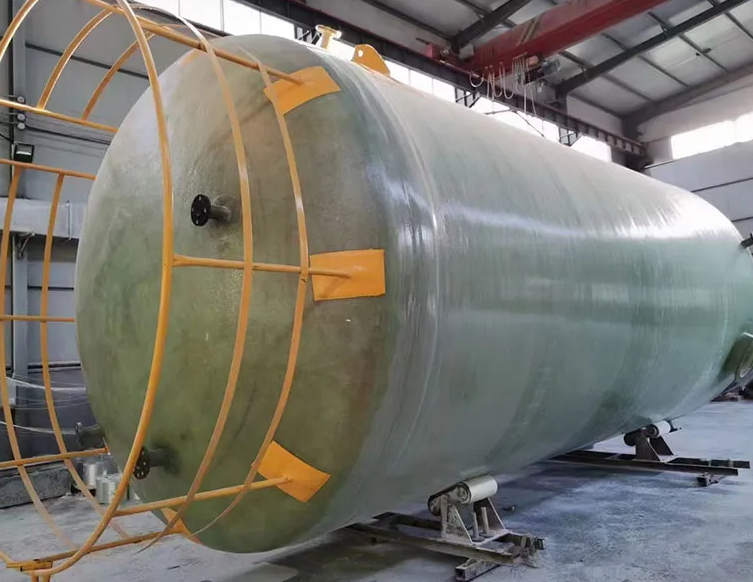
FRP fiberglass tanks are composed of high-performance resin matrix and glass fiber reinforcement. The material itself has stable chemical inertia and will not react with most acid, alkali, salt and organic chemical media.
Different from metal tanks which are easy to oxidize and rust, and concrete tanks which are easy to seep and erode, FRP integrated molding structure has no internal gaps, effectively isolating the erosion of corrosive liquid, and avoiding leakage, peeling and structural damage in long-term use.
2. Excellent Acid and Alkali Resistant Performance
FRP tanks can adapt to a wide pH range and stably store strong acid, strong alkali, salt solution and various chemical solvents. They are not affected by chemical corrosion, electrochemical corrosion and soil salt-alkali erosion.
In high-salt coastal areas and chemical industrial parks where the environment is harsh, traditional carbon steel and iron tanks need frequent anti-corrosion maintenance, while FRP tanks can maintain stable performance for decades, greatly reducing later maintenance and renovation costs.
3. Replacement Value for Traditional Metal and Concrete Tanks
In industrial production and environmental protection projects, metal tanks have short service life and high anti-corrosion cost; concrete tanks have rough inner walls, easy scaling, poor sealing and serious seepage.
FRP tanks perfectly make up for these shortcomings: light weight, high strength, good sealing, smooth inner wall not easy to scale, no water seepage, no secondary pollution. It has become the mainstream replacement product in industrial storage and sewage treatment projects.
4. Main Application Scenarios in Industrial Anticorrosion
FRP anti-corrosion tanks are widely used in chemical factories, electroplating, printing and dyeing, papermaking, pharmaceutical and environmental protection industries.
They are used for chemical raw material storage, acid-base liquid blending, industrial wastewater regulation, sewage sedimentation and reclaimed water storage. At the same time, they are also used in municipal environmental protection, landfill leachate storage and marine supporting water storage projects.
5. Long Service Life and Low Comprehensive Cost
The design service life of standard FRP tanks can reach more than 30 years. The material is anti-aging, sun-proof and frost-resistant, suitable for outdoor open-air placement and underground buried installation.
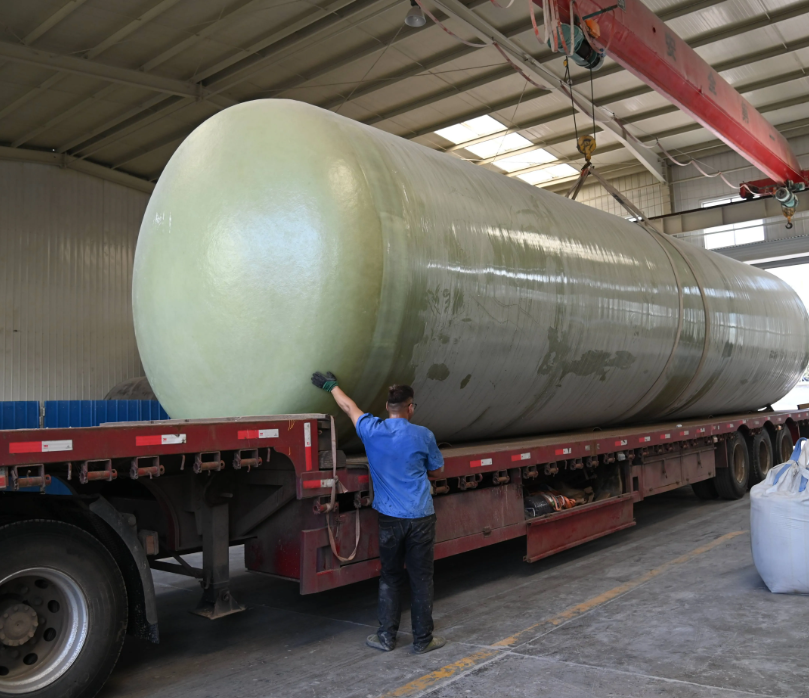
It does not need regular rust removal, painting and anti-corrosion treatment in the later period. The one-time investment cost is reasonable, and the long-term operation and maintenance cost is far lower than that of metal tanks, with very high cost performance.
6. Environmental Protection and Safe Application Advantage
High-quality FRP raw materials are non-toxic and environmentally friendly, no harmful substances precipitated during use. The closed structure can effectively prevent odor overflow, reduce environmental pollution, and meet industrial safety and environmental protection emission standards.
With the upgrading of industrial anti-corrosion standards and environmental protection requirements, FRP corrosion-resistant tanks will become the preferred supporting equipment for more industrial and environmental protection projects.


 <
<


 Previous:
None
Previous:
None 




 Next:
Next: