1. Steady Rising Demand for FRP Pipe Import in the U.S. Market
The United States is one of the largest consumption and import markets for FRP fiberglass pipes in the world. In recent years, a large number of aging municipal pipelines, drainage networks and industrial pipelines have fallen into disrepair, forcing local governments and enterprises to accelerate equipment renewal and upgrading.
Traditional steel pipes, iron pipes and concrete pipes suffer from serious corrosion, short service life and high maintenance costs. As an efficient and environmentally friendly new material pipeline, FRP pipes have gained huge market opportunities in American foreign trade. More engineering contractors and procurement companies begin to import high-quality fiberglass pipes from overseas suppliers to meet project construction needs.
2. Core Competitive Advantages for U.S. Export
FRP pipes show outstanding comprehensive advantages that perfectly fit the actual needs of the U.S. market. Excellent corrosion resistance can adapt to coastal high-salt environments, industrial acid and alkali sewage, and complex soil conditions, avoiding rust and leakage problems of metal pipes.
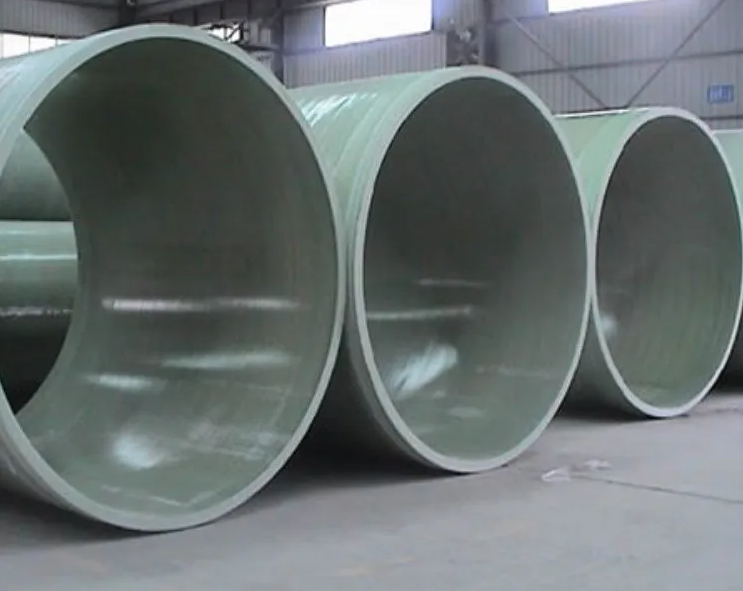
Lightweight design greatly reduces transportation and installation costs, which is very suitable for remote construction sites and large-scale municipal renovation projects. In addition, FRP pipes have smooth inner walls, low water flow resistance, energy-saving operation and a design life of more than 50 years. These features help American customers reduce long-term operation costs and improve project benefits, making them more competitive in foreign trade transactions.
3. Main Application Fields of Imported FRP Pipes in America
In the United States, imported glass fiber reinforced plastic pipes are widely used in multiple key sectors. Municipal drainage, sewage treatment and rainwater pipeline renovation are the largest demand scenarios. Many states continue to promote urban water system upgrading and bring stable foreign trade orders.
Besides municipal engineering, FRP pipes are in large demand in oil, gas, chemical and marine projects. High-pressure and anti-corrosion FRP pipelines are used for chemical fluid transmission, salt water discharge and offshore supporting pipelines. At the same time, agricultural irrigation, landscape water conservancy and factory circulating water systems also form continuous import demand.
4. Trade Characteristics and Procurement Preferences of U.S. Buyers
American buyers have clear and standardized procurement requirements for imported FRP pipes. They pay high attention to product quality, material standards, environmental certification and engineering parameter specifications.
Local engineering projects focus on long-term quality stability and safety performance, and tend to choose products with complete test reports and compliance certificates. Meanwhile, U.S. customers pay attention to customized services, including caliber, pressure grade, wall thickness and joint methods, which puts forward higher requirements for foreign trade manufacturers’ production capacity and technical strength.
5. Development Opportunities and Future Foreign Trade Prospects
With the continuous investment in U.S. national infrastructure plans, the renovation of old urban pipe networks and the expansion of environmental protection projects will further release the market potential of FRP pipes.
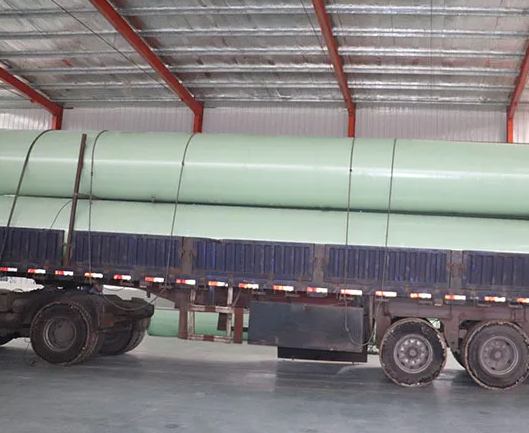
The trend of green and low-carbon construction in the United States also promotes the popularization of environmentally friendly composite pipelines. As a cost-effective export product, FRP fiberglass pipes will maintain stable export growth in the U.S. market. For foreign trade enterprises, grasping American standard specifications, optimizing product quality and improving customized service capabilities will become the key to long-term stable development in the U.S. market.


 <
<






 Previous:
 Next:
Next: