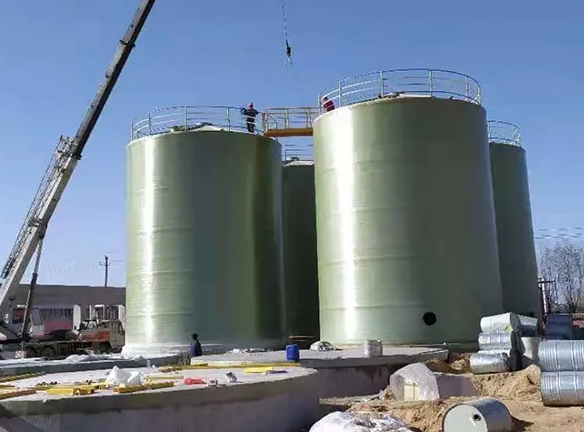
1. Application in Chemical Industry
FRP fiberglass tanks are one of the most important storage equipment in the modern chemical industry. They are widely used for storing various chemical media, including inorganic acids, organic solvents, salts, additives and other corrosive materials.Unlike metal tanks that are prone to corrosion and leakage, FRP tanks maintain stable performance under long-term contact with chemicals, ensuring production safety and reducing the risk of environmental pollution. They are also used in reaction systems, blending systems and transportation supporting storage equipment, providing safe and reliable support for chemical production.
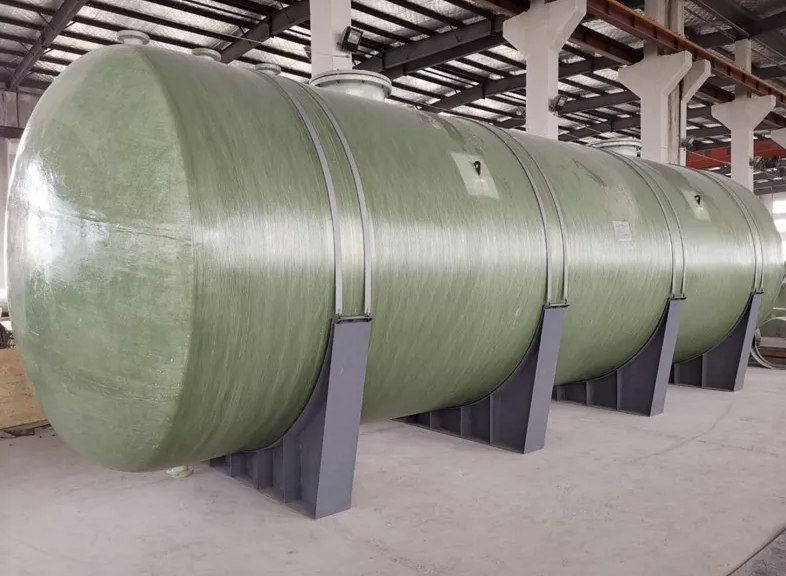
2. Core Role in Wastewater Treatment
In municipal and industrial wastewater treatment projects, FRP tanks play an irreplaceable role. They are used in process sections such as neutralization tanks, coagulation tanks, sedimentation tanks, intermediate water storage and reuse systems.The strong corrosion resistance of FRP materials allows them to withstand the erosion of various pollutants, acid-base wastewater and high-salt water quality. At the same time, their smooth inner wall is not easy to hang mud and scale, which is conducive to improving treatment efficiency and reducing the frequency of cleaning and maintenance.
3. Application in Acid and Alkali Liquid Storage
For factories involving acid and alkali production and use, such as electroplating plants, textile printing and dyeing plants, paper mills and pharmaceutical factories, FRP tanks are the preferred storage equipment.They can stably store sulfuric acid, hydrochloric acid, sodium hydroxide and other strong corrosive liquids for a long time without deformation, cracking or leakage. This effectively avoids potential safety hazards caused by tank corrosion and meets the strict safety and environmental protection requirements of production sites.
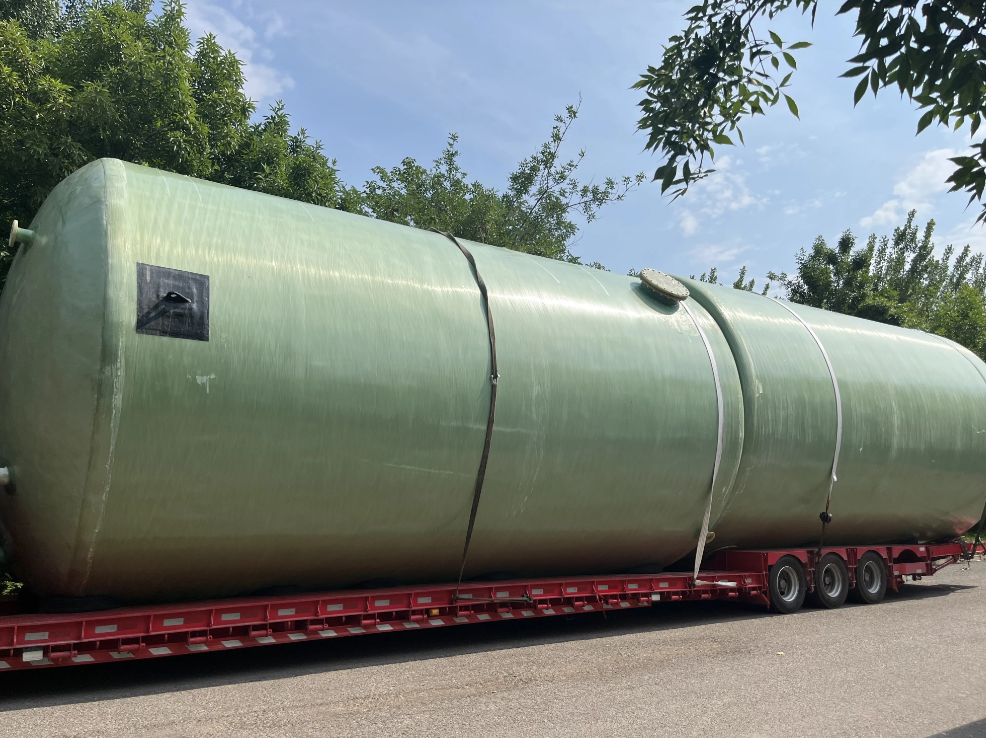
4. Use in Water Supply and Environmental Protection Projects
In addition to industrial fields, FRP tanks are also widely used in municipal water supply, reclaimed water reuse, rainwater regulation and storage and other environmental protection projects.They can be designed as closed or open storage tanks according to project needs, with good sealing and hygiene performance. For drinking water storage scenarios, food-grade resin FRP tanks can ensure water quality safety and meet national health standards.
5. Adaptability to Special Working Conditions
FRP fiberglass tanks have strong adaptability to special environments such as high temperature, high humidity, high salt and coastal areas.In coastal industrial zones, where soil and air contain high salt content, metal equipment corrodes very quickly, while FRP tanks can maintain long-term stable use. They are also suitable for underground or semi-underground laying, saving space and improving the overall layout rationality of the project.
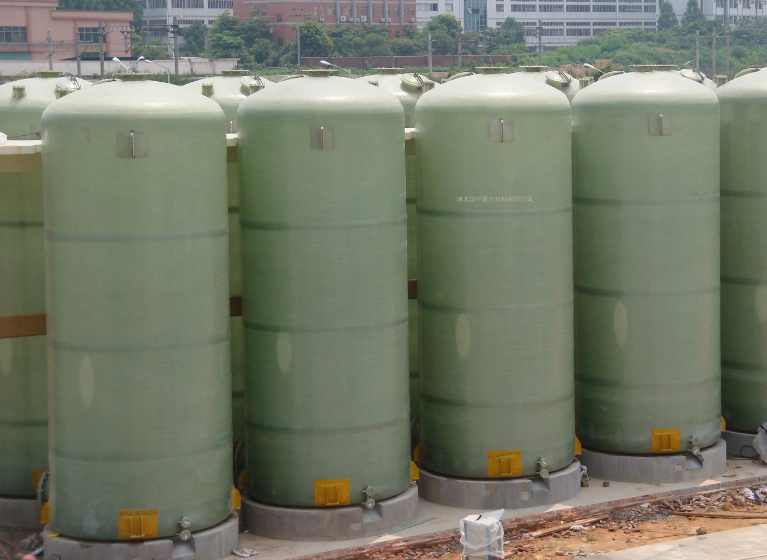
With the continuous improvement of global environmental protection standards and industrial safety requirements, the application scope of FRP fiberglass tanks will continue to expand.More high-performance modified FRP materials will be used to adapt to higher temperature and stronger corrosion working conditions. At the same time, standardized, modular and customized production models will further reduce costs and improve quality, making FRP tanks more widely used in global industrial and environmental protection fields.


 <
<


 Previous:
None
Previous:
None 




 Next:
Next: